(prepared for city perception and criticism lecture. lecturer: dr. nehir bera biçer. I kent algısı ve eleştirisi dersi için hazırlanmıştır. yürütücü: dr. nehir bera biçer.)
Bulanık Mantık
Fuzzy Logic
*Fuzzy logic, The Metapolis Dictionary of Advanced Architecture’da basitçe insanın doğada, kendi düzeni-akışı olan şeyleri rasyonalize ederken bulanıklaştırdığını – makineleştirdiğinden bahseder.
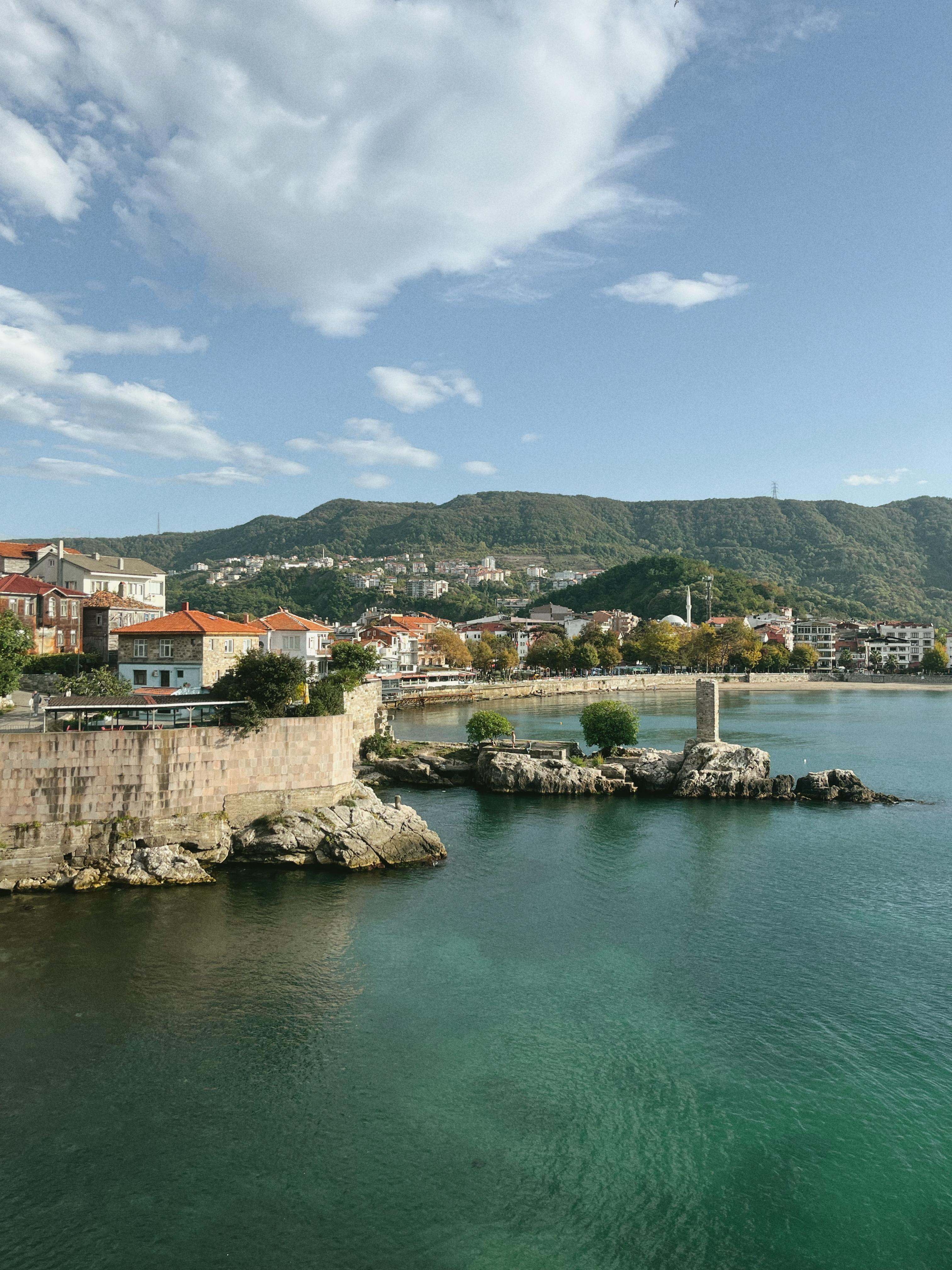
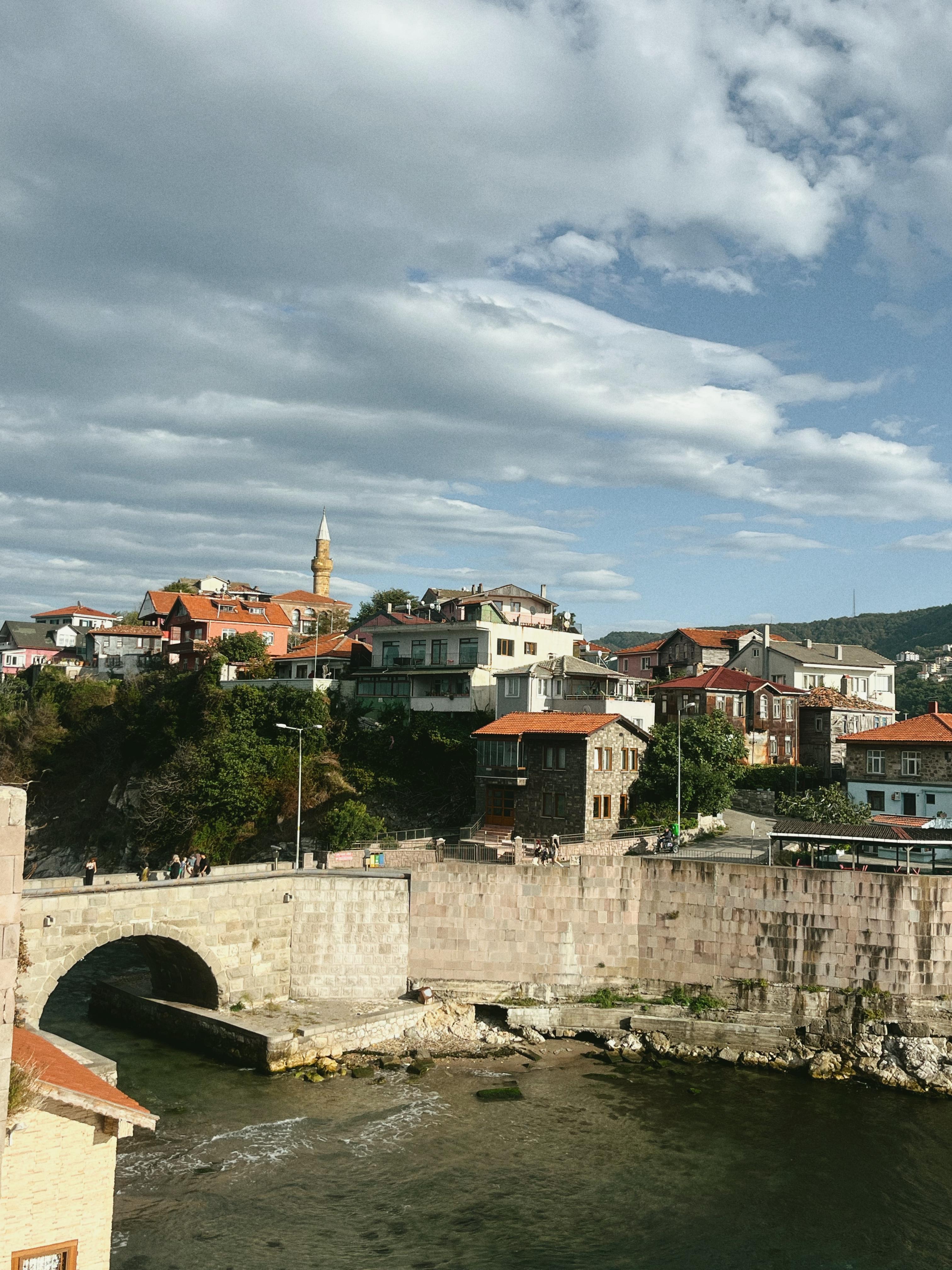
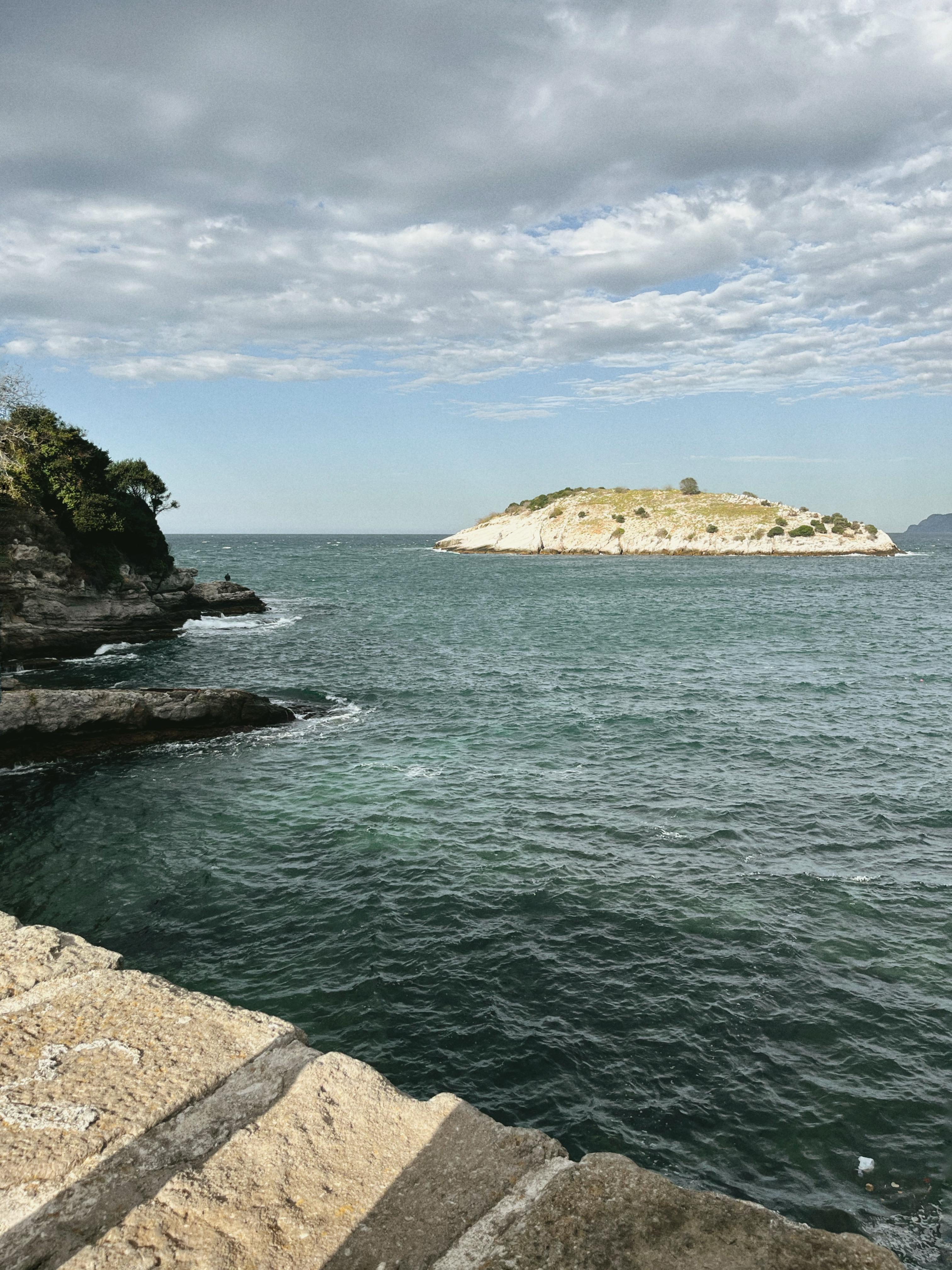
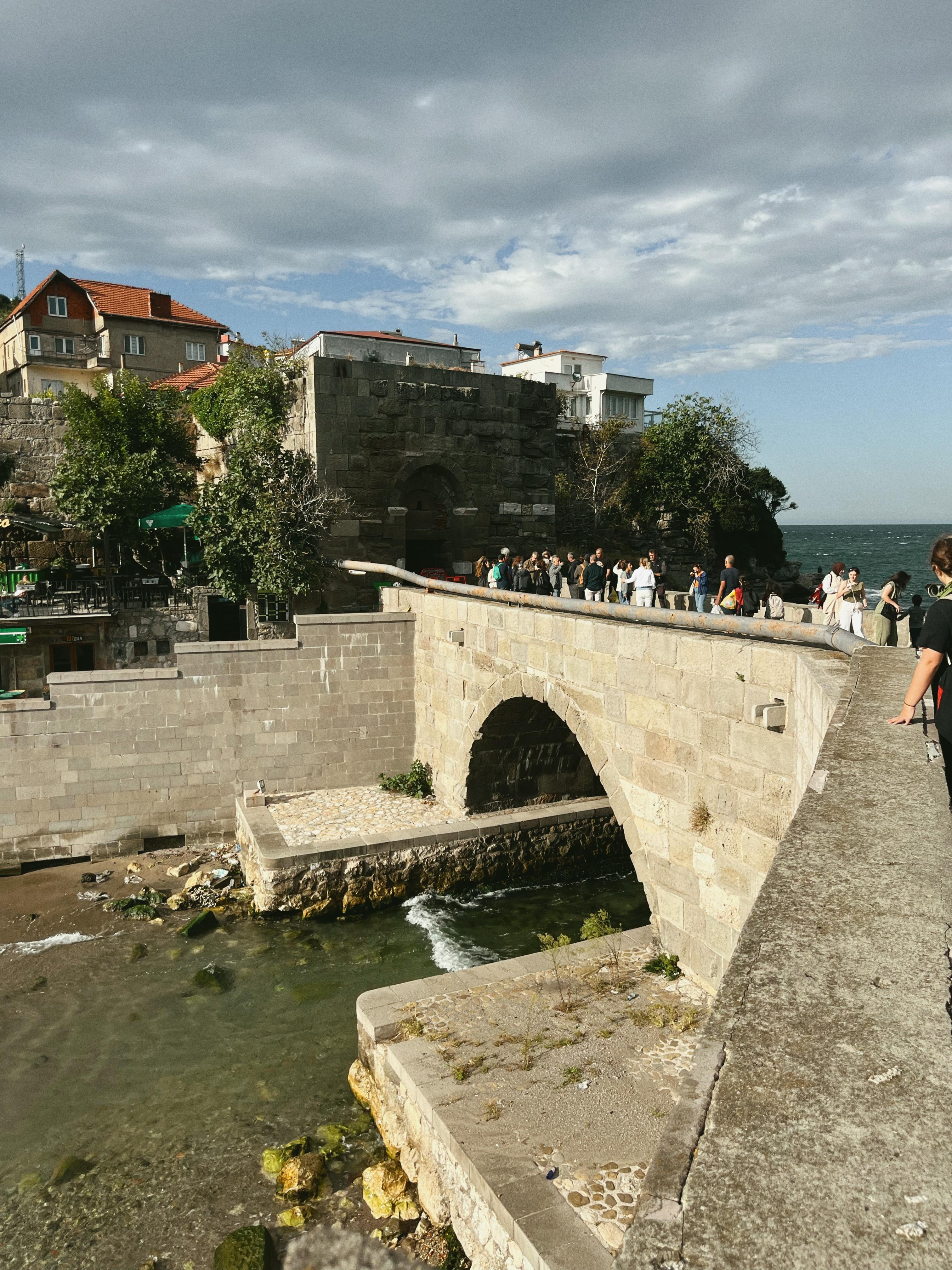
Amasra’da su yüzyıllarca farklı işlevlerde birlikteliklerle var olmuştur. Limanlara, teknelere, kumsallara, ayaklara, yalnızlıklara, umutlara, hüzünlere, kahkahalara değerek kendini ifade etmiştir. Üzerinde durduğu adalardan temas eden taş duvarlarından, altından akıp gittiği köprüden aşındırarak; zamanla, incelikle veya hoyratça yontarak kendine katmıştır. Zamanın kentlisine bazen bir durak bazen telaşlı bir bekleyiş bazen de yolunu gözlediği bir yolculuk olmuştur.
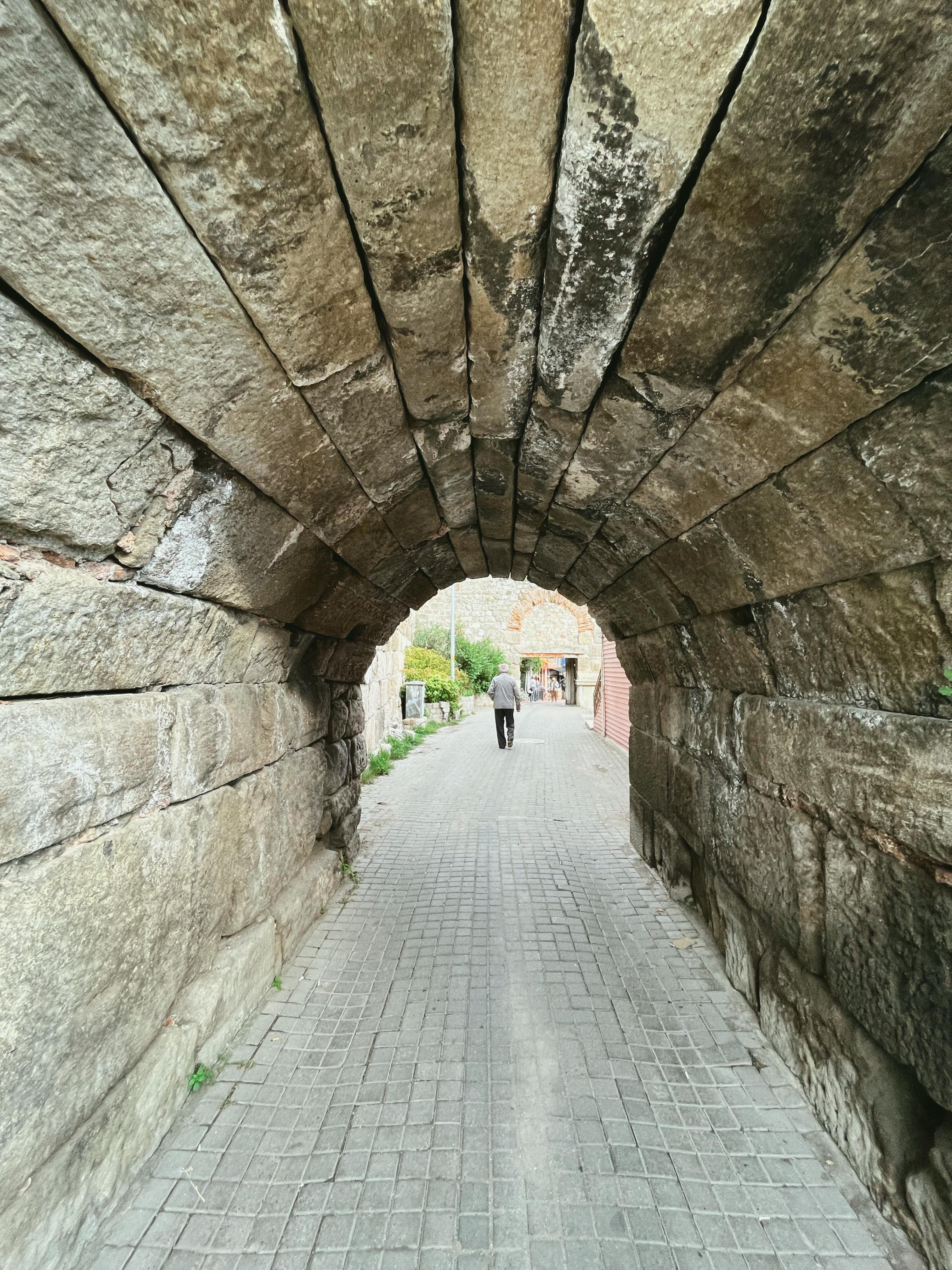
Sadece fiziksel bir temas olarak değil, yükselen eteklerinin üzerinden, beklenmeyen bir sokaktan, dar bir kesitten, ağaç dallarının arasından gözlerle buluşmuş, yoğun düşünceleri bastırabilecek kadar sesli ve susturabilecek kadar da sessiz olmuştur. Yerlinin ve yabancının -insanın- kendini bırakabileceği kadar ılımlı, kendini ayıltabileceği kadar sert olmuştur. Daralmış ve küçük bir çevrede monotonlaşmış yaşamların içinde o kompleks sistemi bozabilecek kadar etkili olmuştur.
Amasra’da su oradaki kimse için ona ait olmuş- şekillenmiş-değişmiş-bozulmuştur, dolayısıyla sabit kelimelerle ifade edilemeyecek bir bulanık mantıktır.
*Fuzzy Logic, The Metapolis Dictionary of Advanced Architecture describes, in simple terms, how humans blur—mechanize—the things in nature that have their own order and flow while rationalizing them.
In Amasra, water has existed for centuries through its coexistence with different functions. It has expressed itself by touching harbors, boats, beaches, piers, solitude, hopes, sorrows, and laughter. From the stone walls of the islands it touched, to the bridge beneath which it flowed, it has incorporated them into itself by eroding them; carving them delicately or roughly over time. For the people of the city throughout time, it has sometimes been a stop, sometimes an anxious wait, and sometimes a journey whose arrival was awaited.
Not merely as a physical contact, it has met the eyes from above its rising shores, from an unexpected street, through a narrow section, and among the branches of trees; it has been loud enough to suppress intense thoughts and quiet enough to silence them. It has been gentle enough for the local and the stranger—the human—to surrender themselves to it, and harsh enough to bring themselves back to awareness. It has been powerful enough to disrupt that complex system within lives that have become monotonous in a narrowed and confined environment.
In Amasra, water has belonged to everyone there—becoming shaped, transformed, and altered according to each person; therefore, it is a fuzzy logic that cannot be expressed through fixed words.